
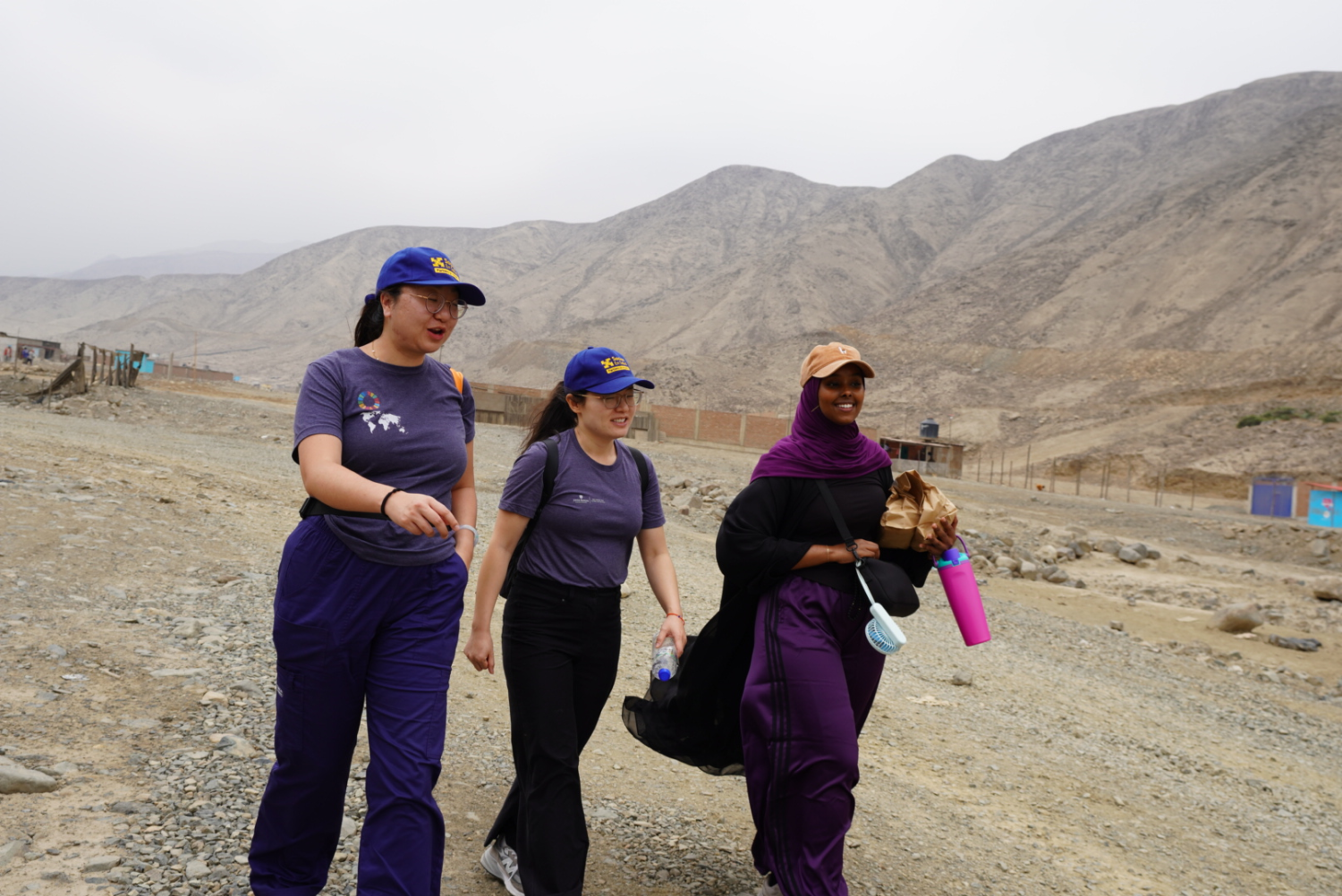
JHSON inaugural service-learning trip to Peru focuses on global nursing leadership, plus opportunities on climate change.
By Kim McIltrot
Often, the ideal way to learn leadership is by following: Watching, learning, tracing the steps of others before choosing the proper path, and then bringing others along. In Lima, Peru, this was an opportunity offered—and maximized—by 20 Johns Hopkins Nursing students during a January experiential-learning experience organized by the Center for Global Initiatives (CGI) and the NGO Partners in Health.
CGI also guides service-learning trips annually to Nepal and Guatemala, focused on service-learning in underserved communities while offering students transformative experiences with local health care workers and nursing students. The difference in Peru was that focus on leadership, the whos, whats, whys, and hows of systemic health care, and how climate change touches and alters each of them.
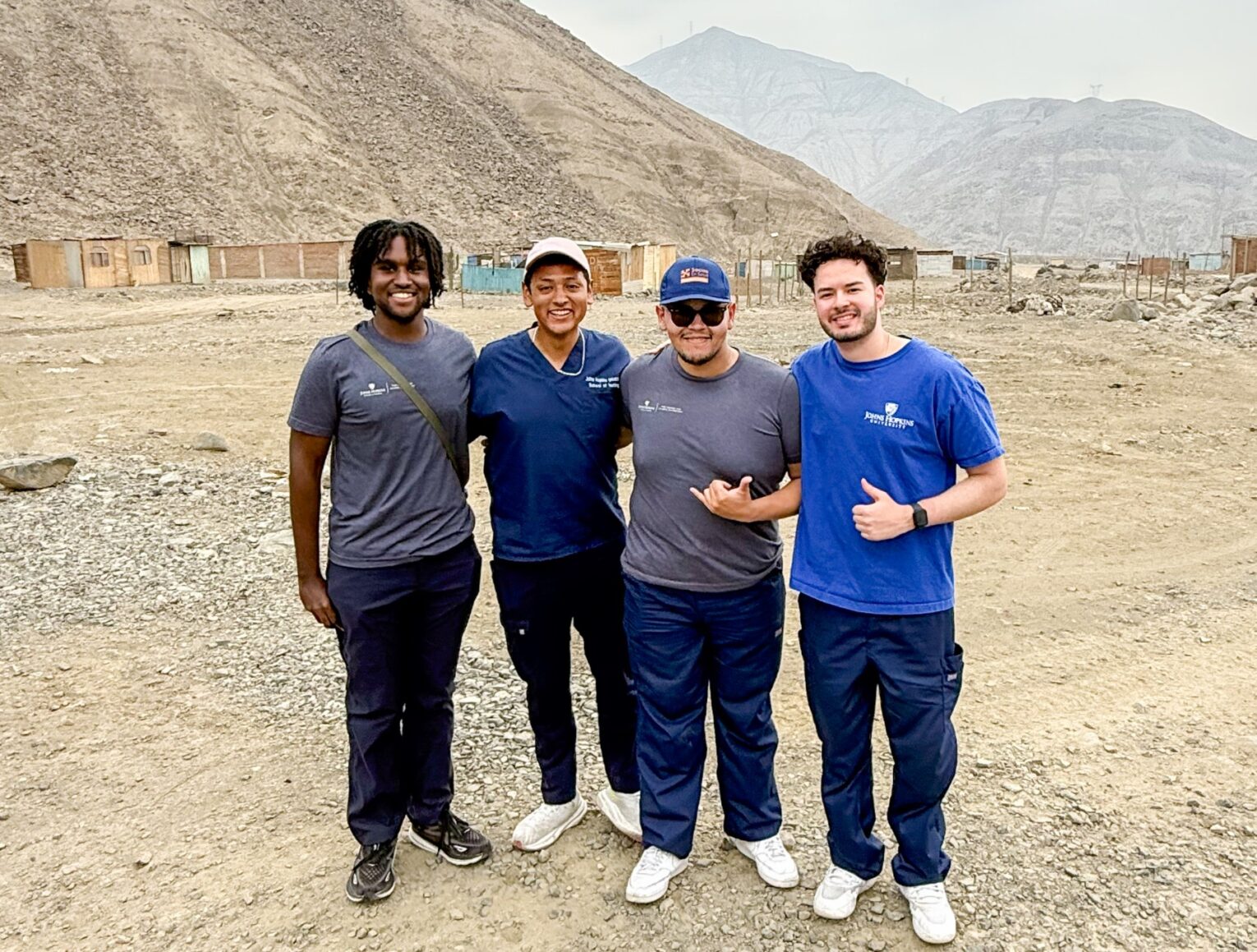
Helmed by myself and and Dr. Angela Chang Chiu, who manages CGI’s experiential learning activities, 10 Master’s (Entry into Nursing), nine Doctor of Nursing Practice, and one Healthcare Organization Leadership student embarked on an unforgettable adventure.
We collaborated with the incredible NGO Partners in Health (PIH), founded in 1987 by the visionary Dr. Paul Farmer. For some, it was a first study-abroad experience, and even a first passport.
CGI had the logistics down: The journey was smooth sailing for the most part, except for one student’s unfortunate hiccup: a lost suitcase that didn’t catch up with him for the entire week. (And there was one tie-up with extensive traffic due to the excitement of a Bad Bunny concert!)
Traveling to Lima meant arrivals at all hours of the day and night, so we kicked off our stay with a relaxed day, exploring an ancestral site of Huaka Pucllana in the vibrant heart of the city.
[From the Magazine: Guatemala Give-and-Take.]
As we wandered about the streets, we soaked in the rich culture and layout of Lima. We passed the medical university with a sobering monument to physicians’ lives that were lost during the Covid pandemic. We also had a lively visit to an Inca market and then lunch together, giving everyone a chance to bond, especially since most students and faculty were just getting to know each other for the first time. The following day, we walked to the PIH headquarters ready to dive into an immersive experience.
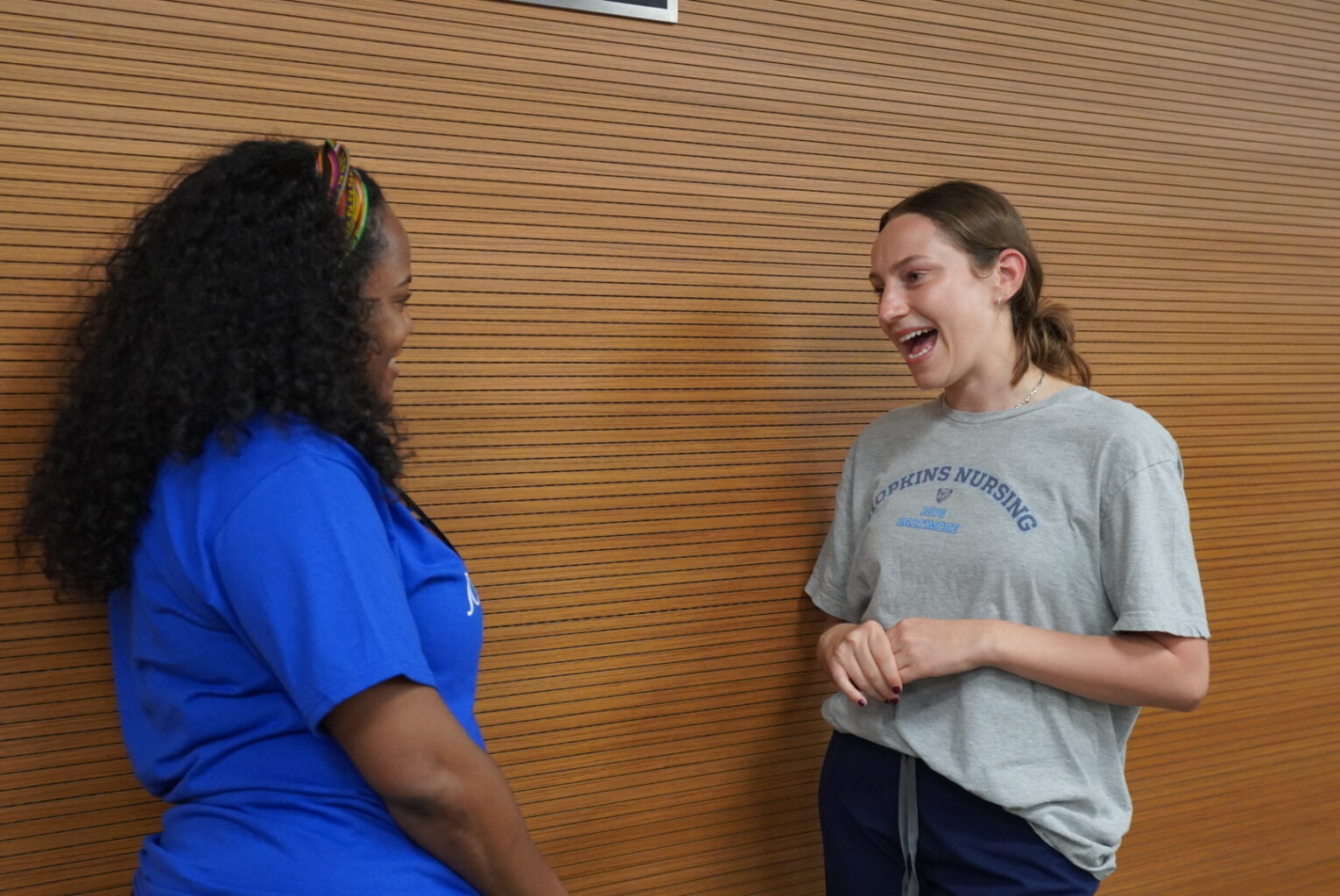
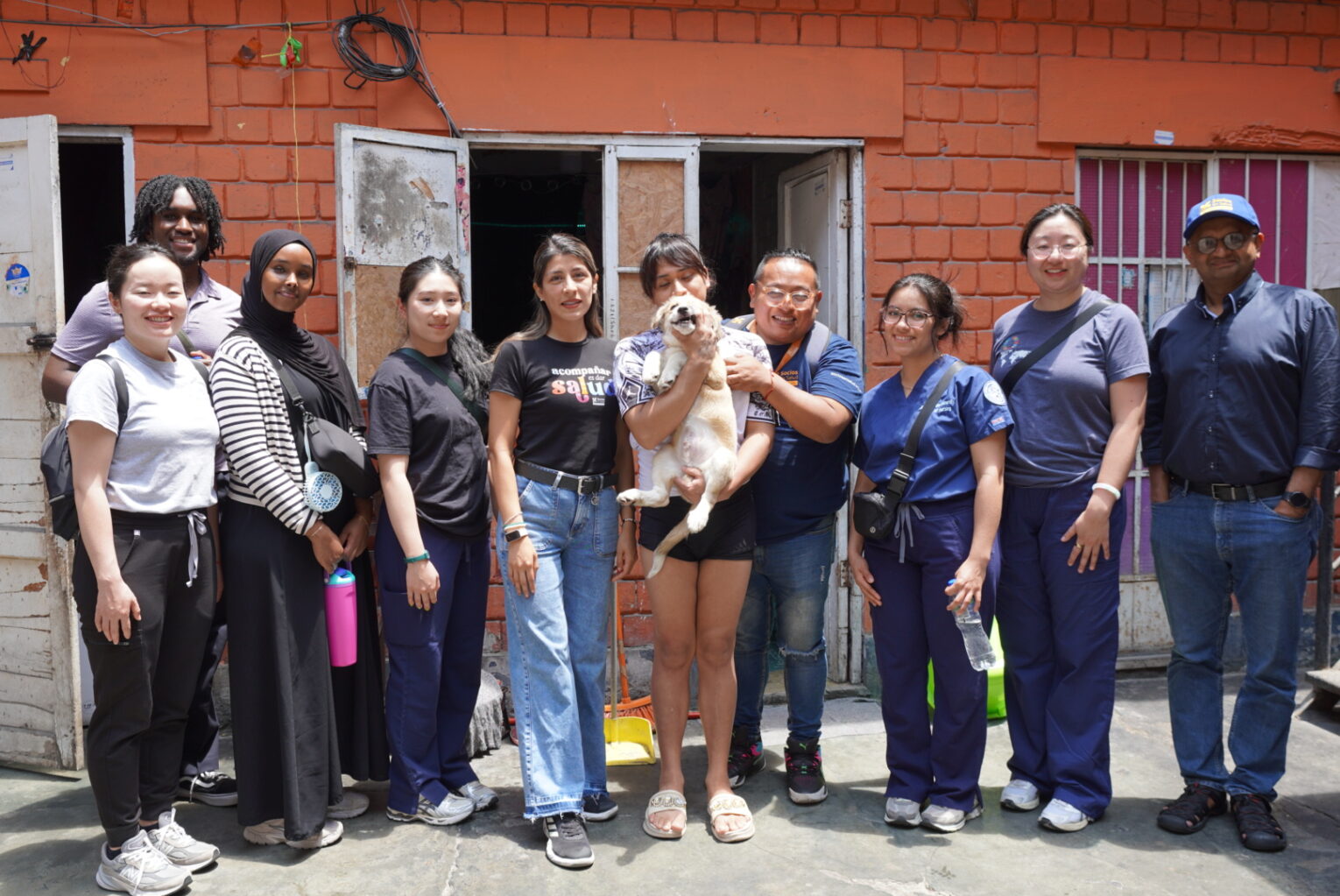
We started with a fun icebreaker and then, with the PIH instructors/staff, we established daily touchstones—our guiding principles to check in on everyone’s mental and physical well-being, maintain positive energy, and foster cultural curiosity. Our education began with a deep dive into the Peruvian health care system, followed by an engaging case study of service accessibility. We then visited the SES Polyclinics. Touring the facilities and meeting the dedicated nurses and physicians was eye-opening: the radiology and lab equipment, emergency protocols, and the wide range of specialty care they provide at the end of each day we conveyed for student-led debriefs using an established framework. These sessions sparked vibrant discussions, often running well past our planned time as we processed it all.
The learning didn’t stop there. We explored topics like local conflict and its impact on health, and participated in a climate-change simulation offering insight on the leadership and flexibility required to tackle rural care during Peru’s monsoon season. This exercise really brought the team’s enthusiasm to center stage.
[Podcast: Service-based Learning in Guatemala and Nepal.]
In addition, there was a leadership and advocacy panel and engaging stakeholder analysis discussions. Dr. Roy, visiting from PIH’s Rwanda site in Africa, shared valuable and inspiring insights into leadership and surgery in the global health arena, helping the JHSON team further recognize that in many countries, conflict is a daily occurrence, and to be wary of becoming infected with “skepticemia”—a doubt born of judging others as less than that can shrink the heart and soul of the sufferer.
The trip wasn’t completely without clinical experience, as we gained a rich and varied training experience from small group sessions at various health care sites as well as spending time in local communities. We heard powerful life stories and health care struggles from trans women and sex workers—an expansive emotional experience. We also ventured to Northern Limato and the Ollas Comunes, discovering how a community of women banded together to provide food access and nourishment with healthy meals and essential resources. Additionally, we visited the Progresso health center and the capital SCS Alma project, revealing the impactful care they provide within the health care system.
But leadership was the thing, and as usual our JHSON students shone.
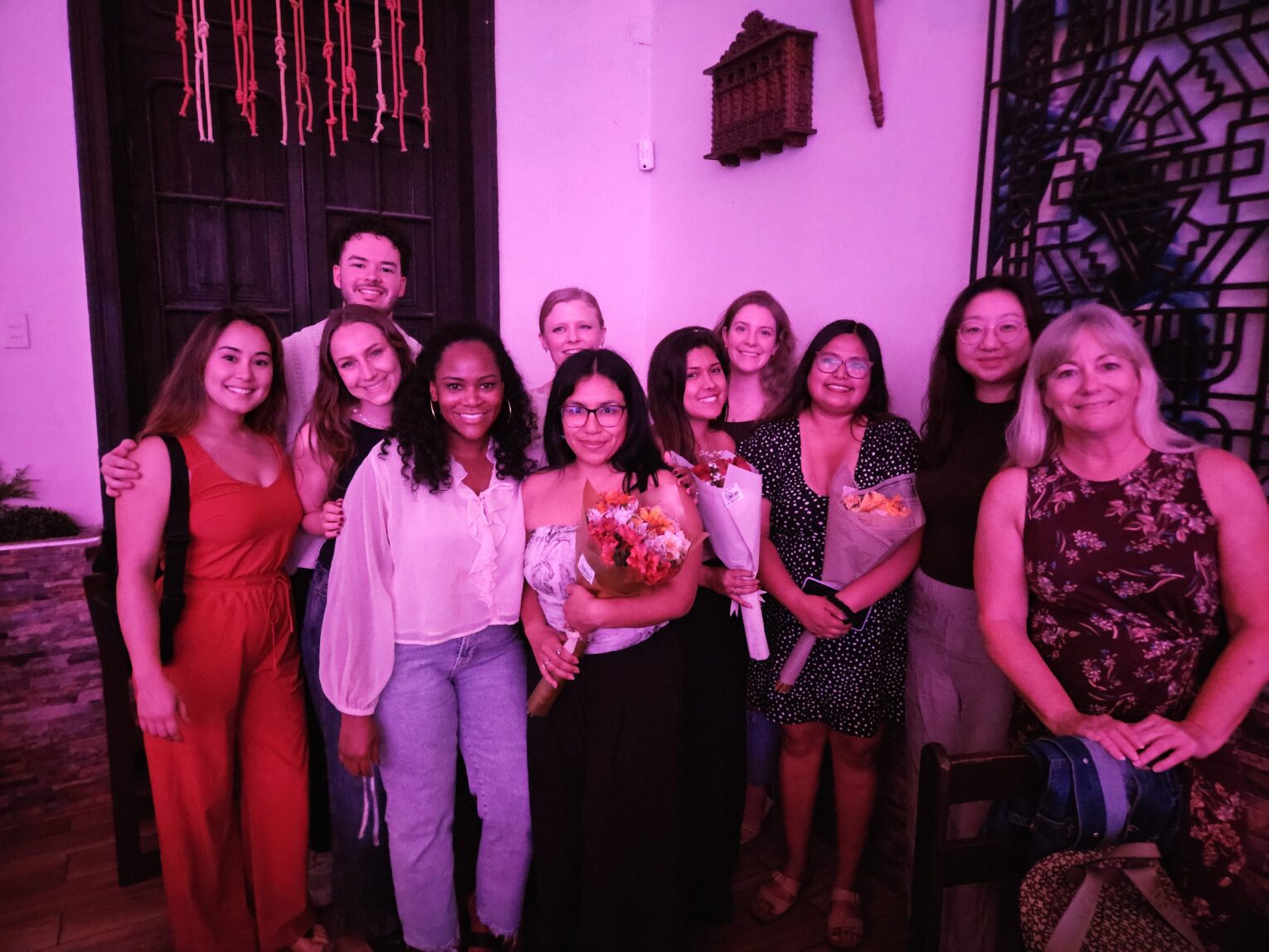
As our trip came to a close, we celebrated with a certificate ceremony, honoring all the students. The evening culminated in a cultural heritage dinner alongside the PIH staff, learning so much about each other’s diverse backgrounds. To our amazement, many students showcased their incredible talents, dancing to their native country’s songs.
The Peru trip truly underscored the value of global experiential learning. The enthusiastic feedback from our students highlights just one reason why attending the Johns Hopkins School of Nursing is a remarkable choice. We offer unparalleled global opportunities that set us apart from other institutions. As a faculty member, I feel privileged to spend such quality time with our brilliant students. They inspire me daily with their intelligence, diversity, and creativity, reminding me once again why I love being part of this incredible institution.
Learn more about experiential-learning opportunities through the Center for Global Initiatives at the Johns Hopkins School of Nursing.