

Foresight: In the U.S. and Ghana, Yvonne Commodore-Mensah beats back any doubt that nurses are key to hypertension control.
Hypertension during pregnancy is a leading cause of maternal mortality in Ghana. In the United States, as in Ghana and many other nations, it’s a leading killer, period. That is not a news flash. What is news is how nurses are leading innovation to not just treat hypertension but change the who and the how of this health care dynamic.
As usual, Professor Yvonne Commodore-Mensah is front and center, using her status as a top researcher at the Johns Hopkins School of Nursing and in Africa to both innovate ways to address hypertension and then scale them inexpensively for wide reach.
In the United States, she has helped put nursing’s stamp on the latest hypertension guidelines from the American Heart Association.
In Ghana, it’s a program called MAMA CVD, short for midwife assisted monitoring and assessment of cardiovascular disease. This involves purchasing portable, smartphone-linked ultrasound devices and training nurses and midwives to carry the relatively affordable machines to rural areas to detect hypertension early in pregnancy. It’s part of a larger effort to close the gap in care in rural and underserved areas in Ghana, then elsewhere.
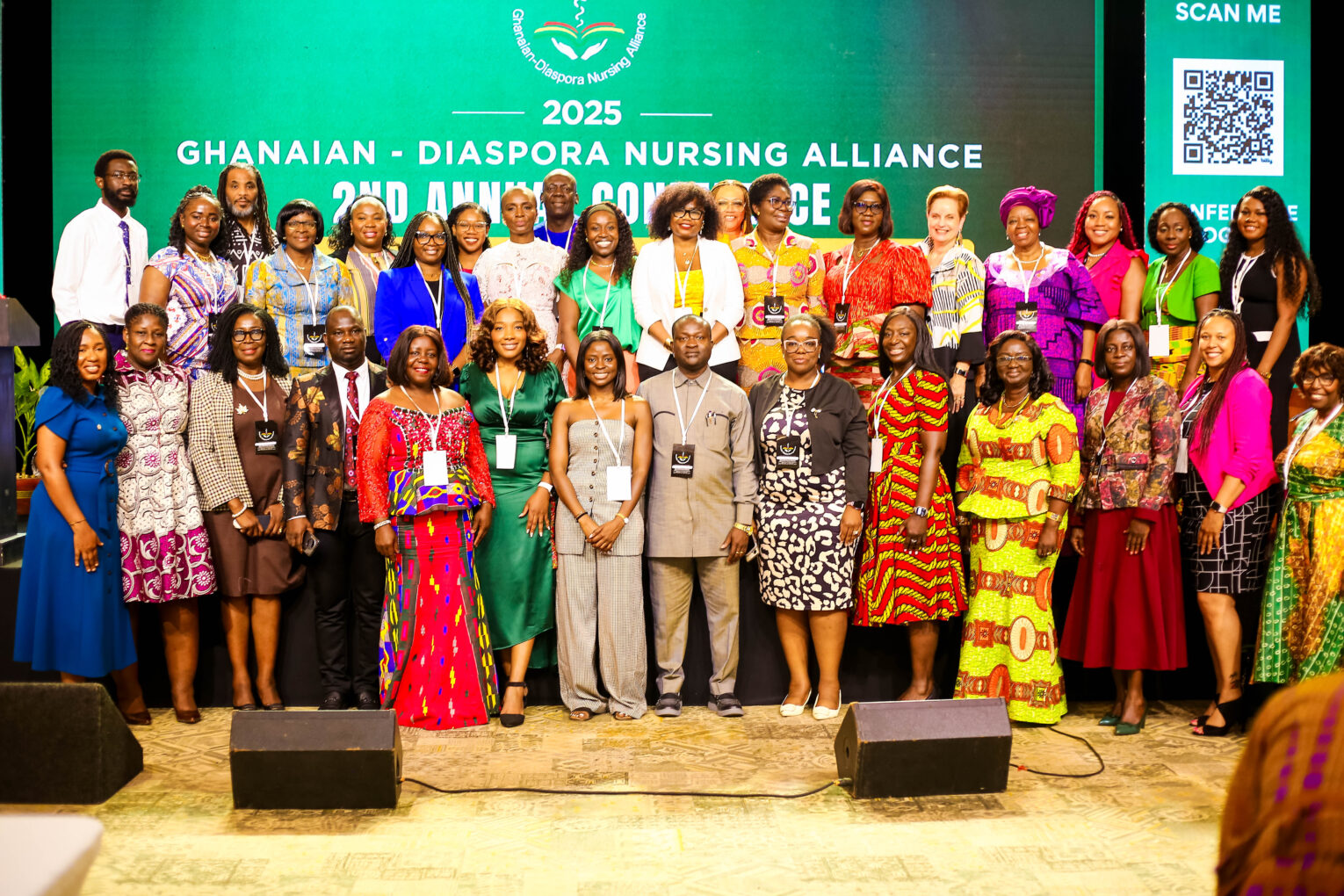
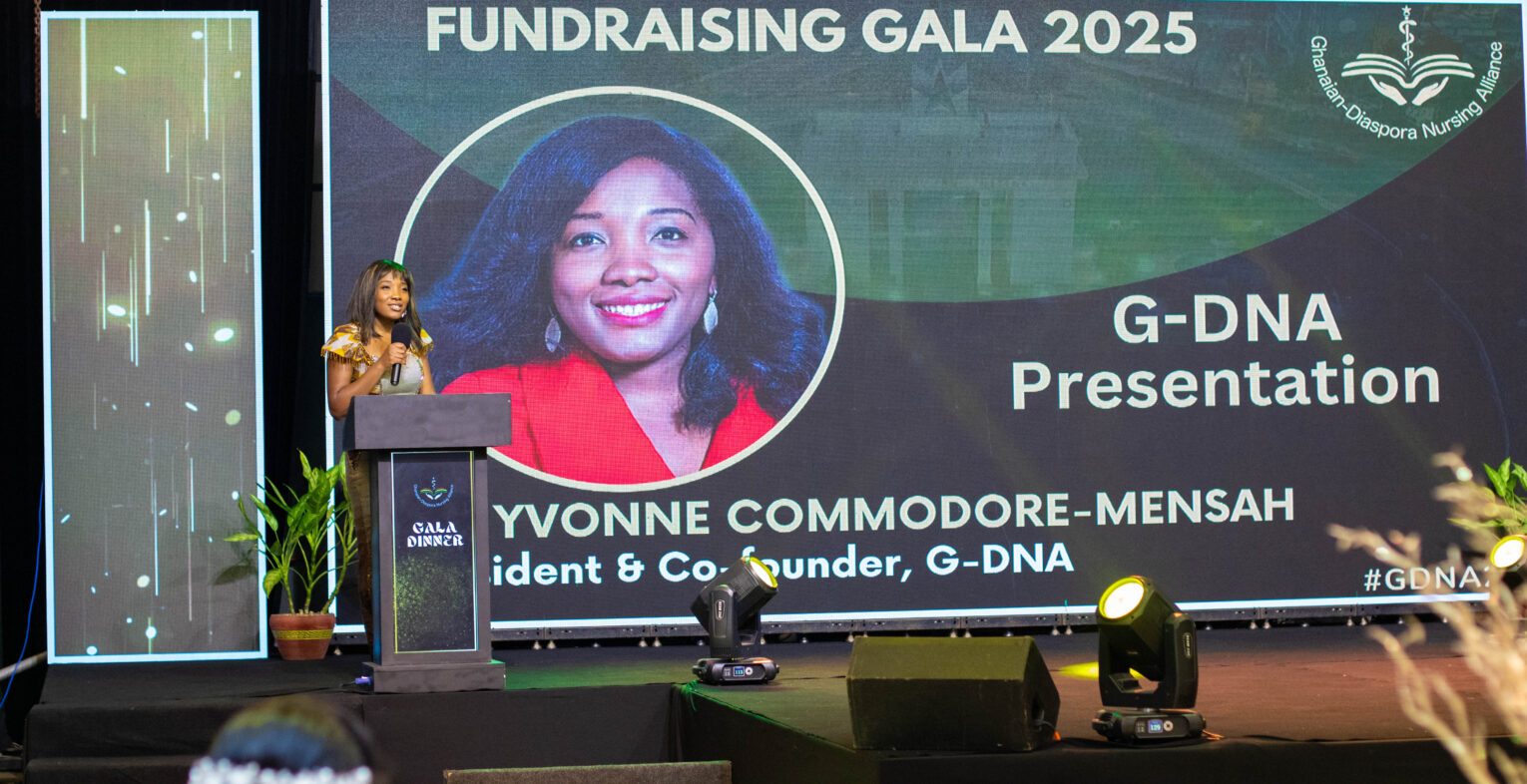
MAMA CVD earned first place and a $150,000 grant in a recent Johnson & Johnson-funded NurseHack4Health Pitch-A-Thon. Commodore-Mensah and the Ghanaian-Diaspora Nursing Alliance (G-DNA), of which she is president and co-founder, believe they can use it to cut the maternal mortality rate in Ghana by half.
Essential to this effort is the G-DNA ‘s persuasive work, in a nation where physicians are in short supply, to build acceptance for nurse leadership. “We are not replacing cardiologists,” explains Commodore-Mensah of initial pushback. Rather, “Midwives can send ultrasound photos to cardiologists by text for further diagnosis.”
The aim for now is to begin with 57 of the ultrasound devices—at about $6,000 per unit—and dispatch them to serve not just pregnant women but all adults across the poorer, rural areas surrounding Accra, Ghana’s capital city.
And the program, “owned and led by the folks on the ground,” according to Commodore-Mensah, isn’t simply improving the lot of Ghanaians long denied access to health care. It is also showing the full worth of nurses and midwives in improving that care into the future.