
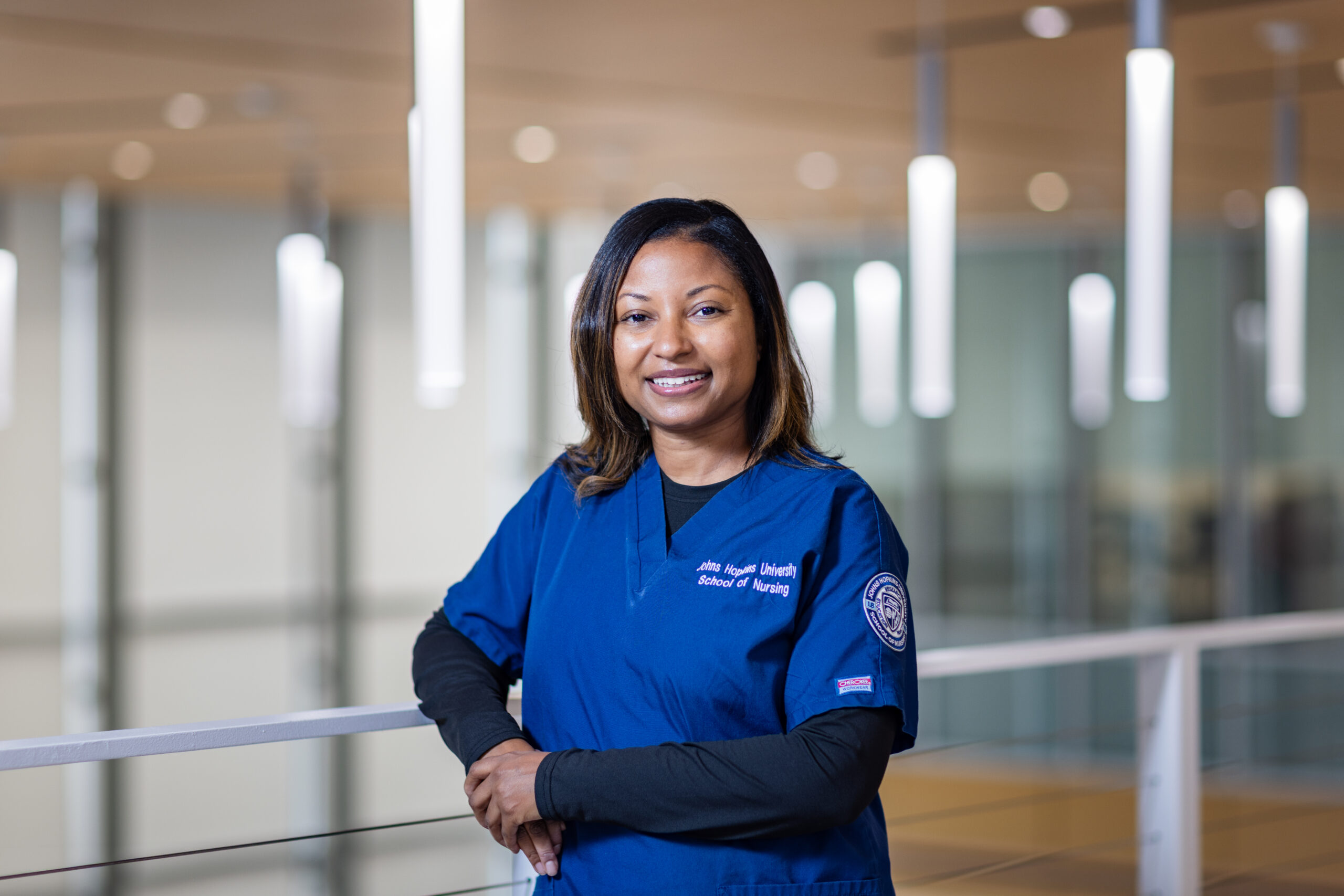

Gurtler Scholar Tara Taylor is laboratory-built for leadership.
Tara Taylor didn’t fit the mold of a lab-based researcher. And her mentor, a Johns Hopkins alumnus, didn’t mince words: Taylor’s personality mandated that she get away from the bench and let her voice and natural leadership capabilities grow. Go back to school.
Her thumbs agreed. “My hands about fell off from pipette-ing too much,” she laughs, mimicking the click, click, click of placing samples into test tubes at NIH’s National Cancer Institute in Bethesda. (Taylor, from neighboring Rockville, had previously done research at the National Institute of Nursing Research.) So, fine. Taylor enrolled at the Johns Hopkins Bloomberg School of Public Health (BSPH), earned her MPH in epidemiology and biostatistics, and got a job there as research faculty with the Major Extremity Trauma Research Consortium (METRC) Coordinating Center in the Health Policy and Management Department, writing protocols and instructing teams on clinical studies.
Then, in 2019, came a breast cancer diagnosis. First order of business? “I will beat this. My son was 1 year old at the time. If I pass away, he wouldn’t remember me.” Next? “I wanted to be a great example to him.” This meant, once the chemotherapy haze finally passed, finding exactly why she was put on this earth, and acting on it right now. As it happened, right then, the care and spirit of the oncology nurses treating her at Johns Hopkins Hospital were blowing her mind as well as messing with her career path.
“I should be clear. I LOVED my job [13 years at BSPH]. It was crazy to switch to nursing. I was comfortable. Why would I do this … uproot everything?”
That’s why they call it “a calling.” Taylor swallowed hard, researched deeply, “attended every event and open house that the Admissions Department put on until they were, like, ‘Oh, you again!’ ” She learned current students’ names and followed up, texting them for insider info and even meeting one for coffee and a grilling.
That was that. Taylor, now officially a member of the MSN (Entry into Nursing) program, was recently awarded the Gurtler Scholarship, presented annually to a Returned Peace Corps Volunteer at JHSON.
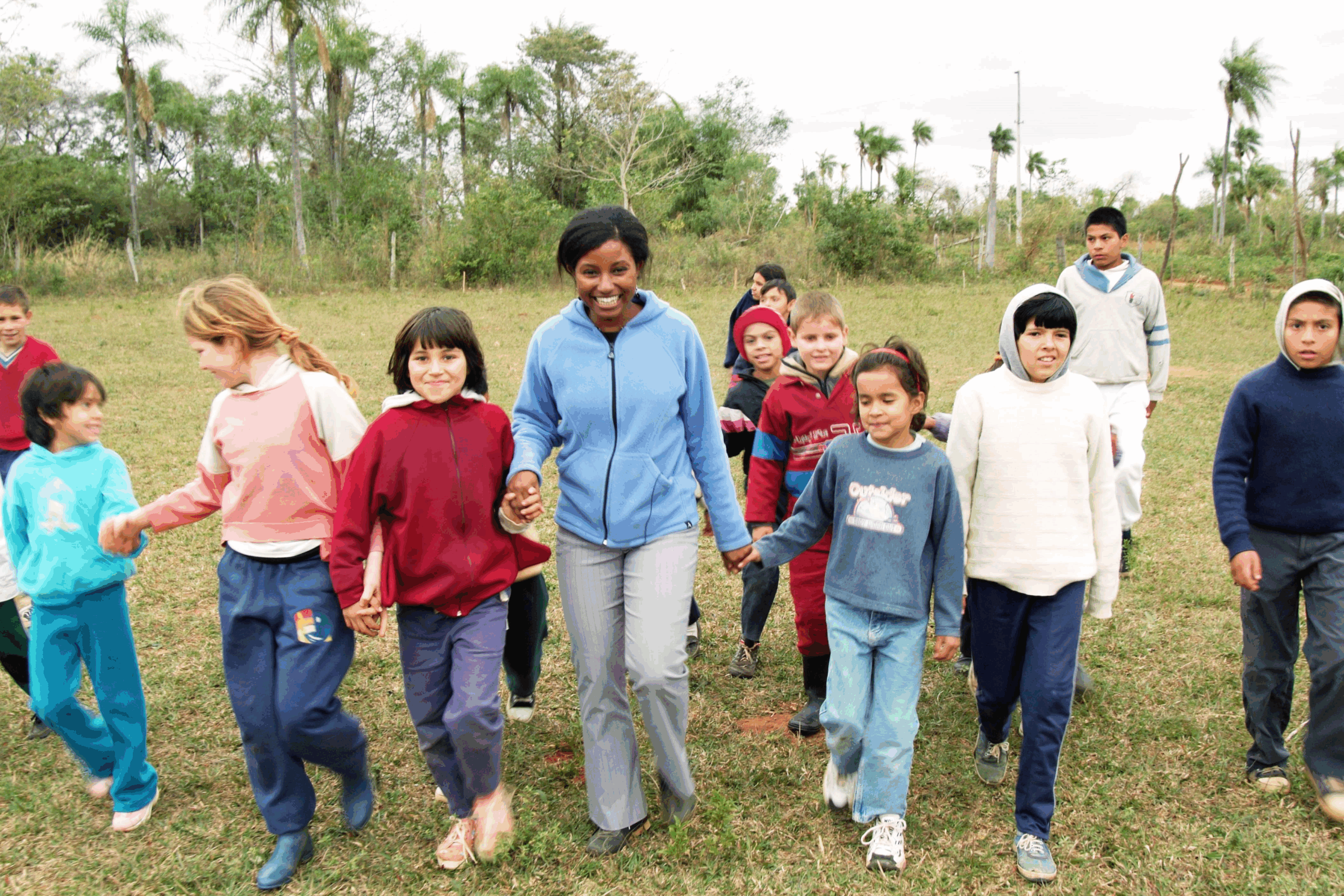
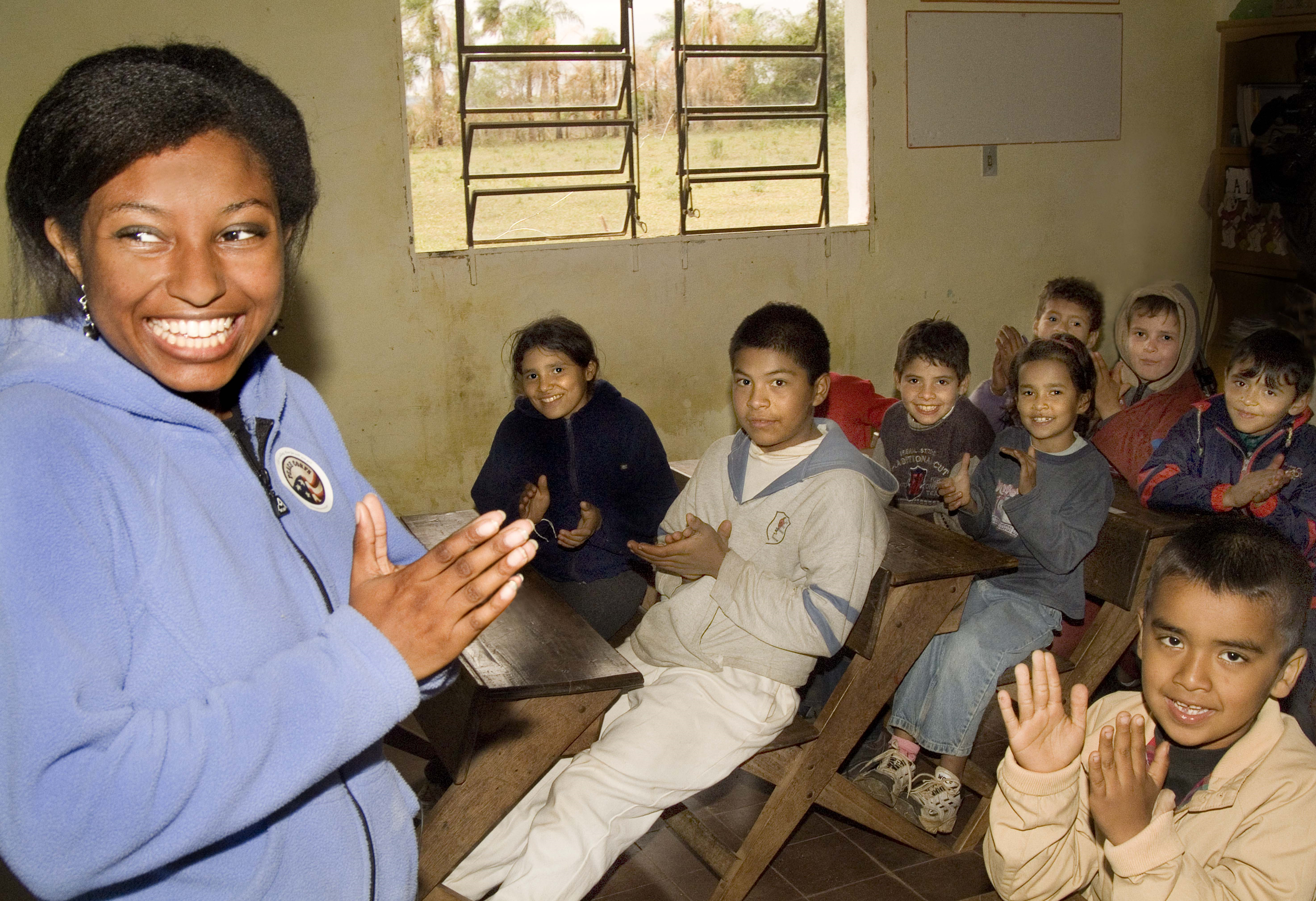
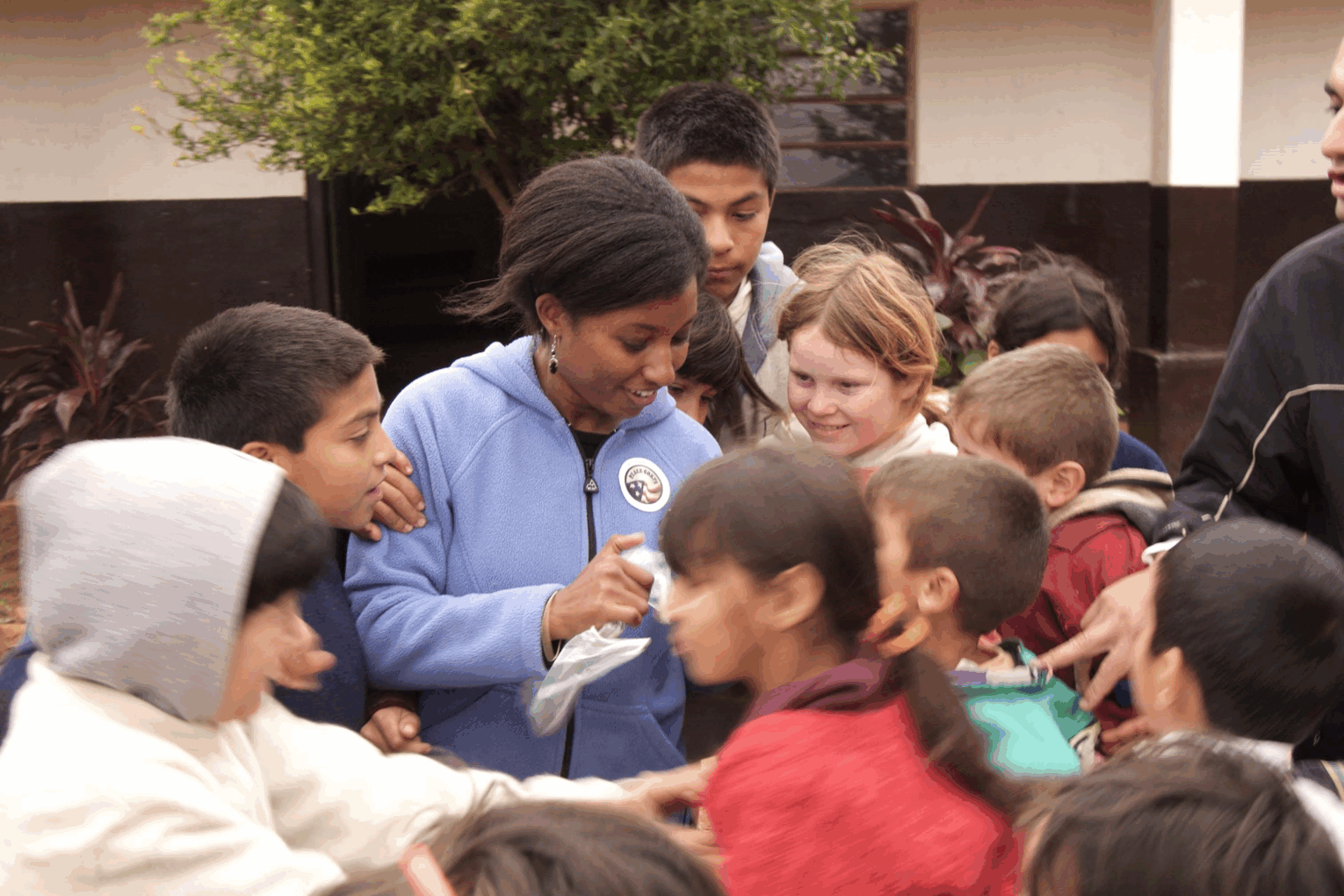
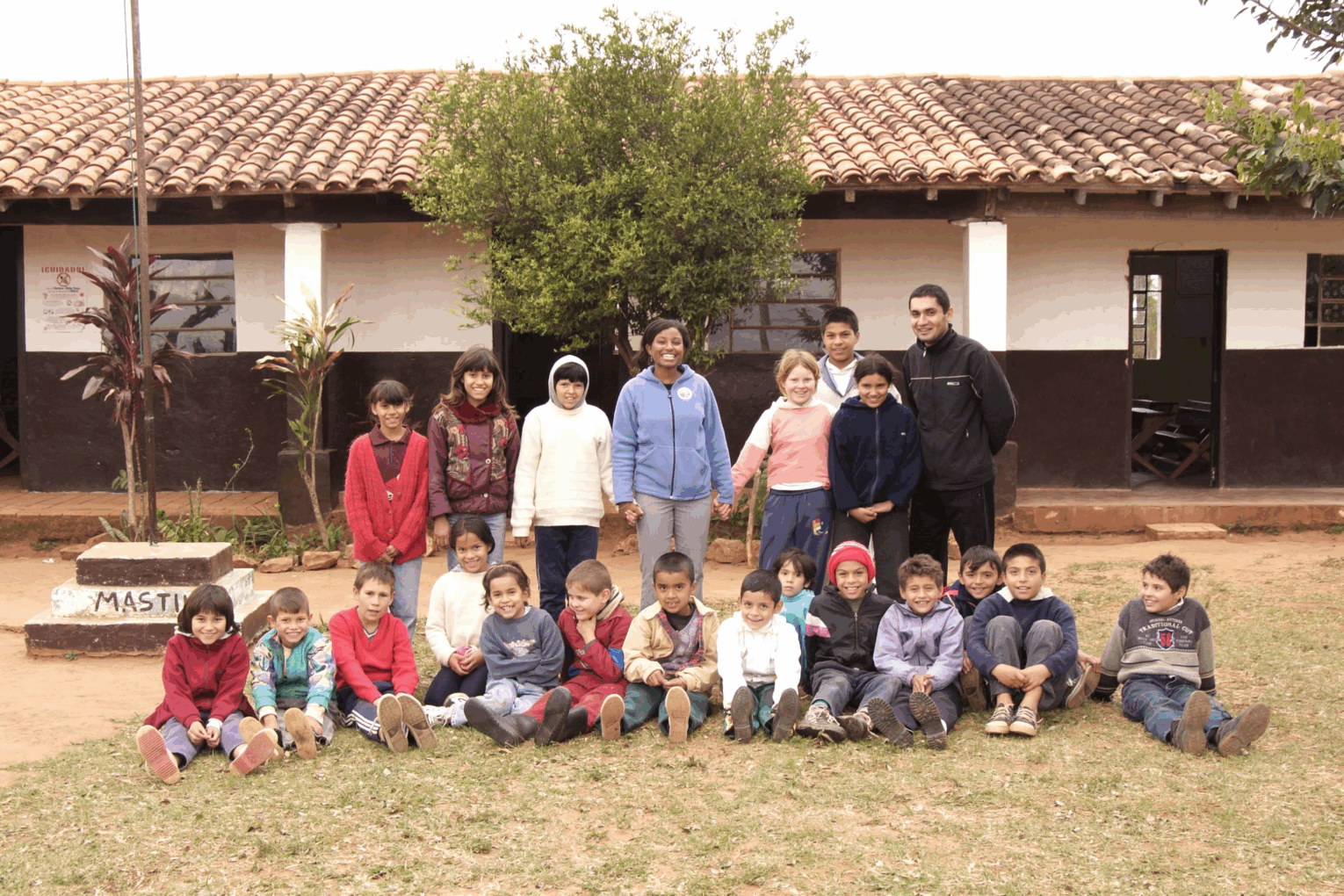
Before the Master’s Entry program, Taylor figured she already had a pretty good, basic grasp of health science. As a Peace Corps volunteer in Paraguay (2005-07), Taylor had taught elementary school kids about hygiene, dental care, sanitation, and avoiding parasites, and helped hook their moms up with similar preventive care (“a human liaison, a connector and advocate for them”).
“It’s all completely new. I had never stepped foot in a hospital as someone who actually worked there. Now I’m dealing with diseases I didn’t ever know about. Being on the other side is fascinating.”
At the time, the Peace Corps wasn’t offering a specific choice beyond “Central or South America,” yet Taylor jumped, excited to volunteer in a Spanish-speaking nation. She returned to the United States far more bilingual, a skill that she admittedly needed to polish up before volunteering at a recent flu clinic in Highlandtown, which has a significant Hispanic population. She has also gotten to use her Spanish a bit in nursing clinicals, though she lets professional interpreters handle the more intricate communications.
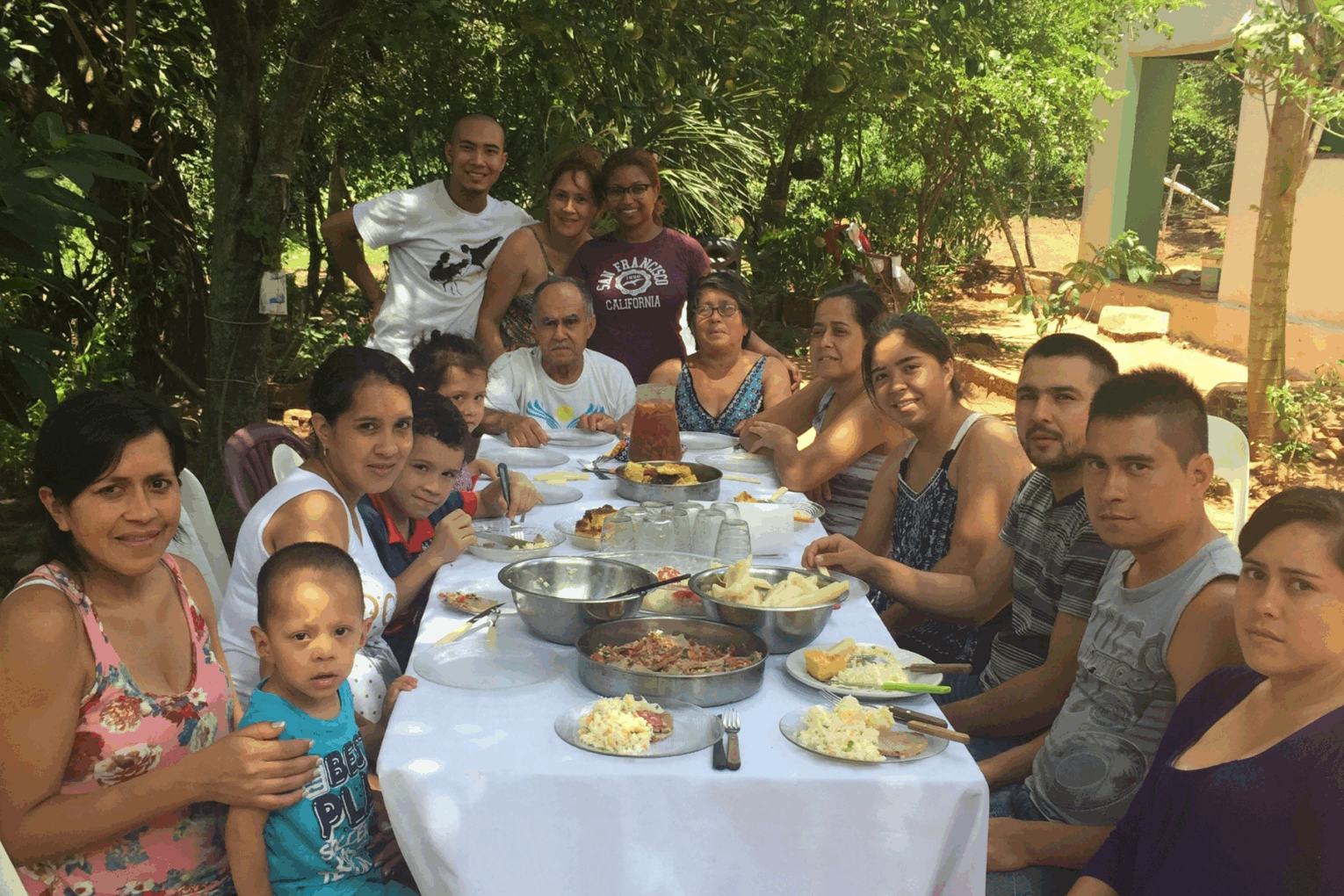
Asked the sense memory most often awakened when she thinks of her time in Paraguay, a landlocked nation smack dab in the center of the South American continent, Taylor offers one word: “chipa.” Then, she rhapsodizes on the local breakfast/snack staple: “There’s really nothing else like it, anywhere. The best way I can describe it is that it’s like a bagel, but corn-based, and it’s amazing.” Some two decades on, the scent lingers in her brain. So does the fondness for a beloved host family with which Taylor still keeps in touch.
As for that grasp of health science? Paved over in the deluge of information that greets each new Master’s Entry cohort. It’s intimidating but also, Taylor insists, a thrill. “It’s all completely new. I had never stepped foot in a hospital as someone who actually worked there. Now I’m dealing with diseases I didn’t ever know about. Being on the other side is fascinating.”
The leader’s voice and personality that her mentor had sussed out years ago are in full bloom today. She speaks from experience, as a researcher, as a Returned Peace Corps Volunteer, as a patient, and now as a nurse. In remission from cancer, Taylor has been given more time. She’s not wasting a second of it. “In clinicals, I’m already seeing in our patients the impact we can have as nurses. It feels good to feel ready.”
After all, she has been that patient on the receiving end of care. “Even as a student, the job is very rewarding—simple things such as adjusting a pillow or providing hot tea or a hot pack can make a world of difference with aiding someone in a lot of pain.”
John R. and Ruth Gurtler Foundation Scholarship
All admitted or enrolled MSN (Entry into Nursing) students who have served in the Peace Corps will be considered for the John R. and Ruth Gurtler Foundation Scholarship, established in memory of alumna Ruth Ward Gurtler, ’29, and awarded to one student each year. Learn more about financial aid and scholarships at the Johns Hopkins School of Nursing at nursing.jhu.edu/admissions/financial-aid.
2005 Peace Corps Photo from Paraguay is courtesy of Tara Taylor